Spa
Spa Pool
Pool Pet Friendly
 Basketball Court
 Private Rooms

 Tequesta, Florida, United States
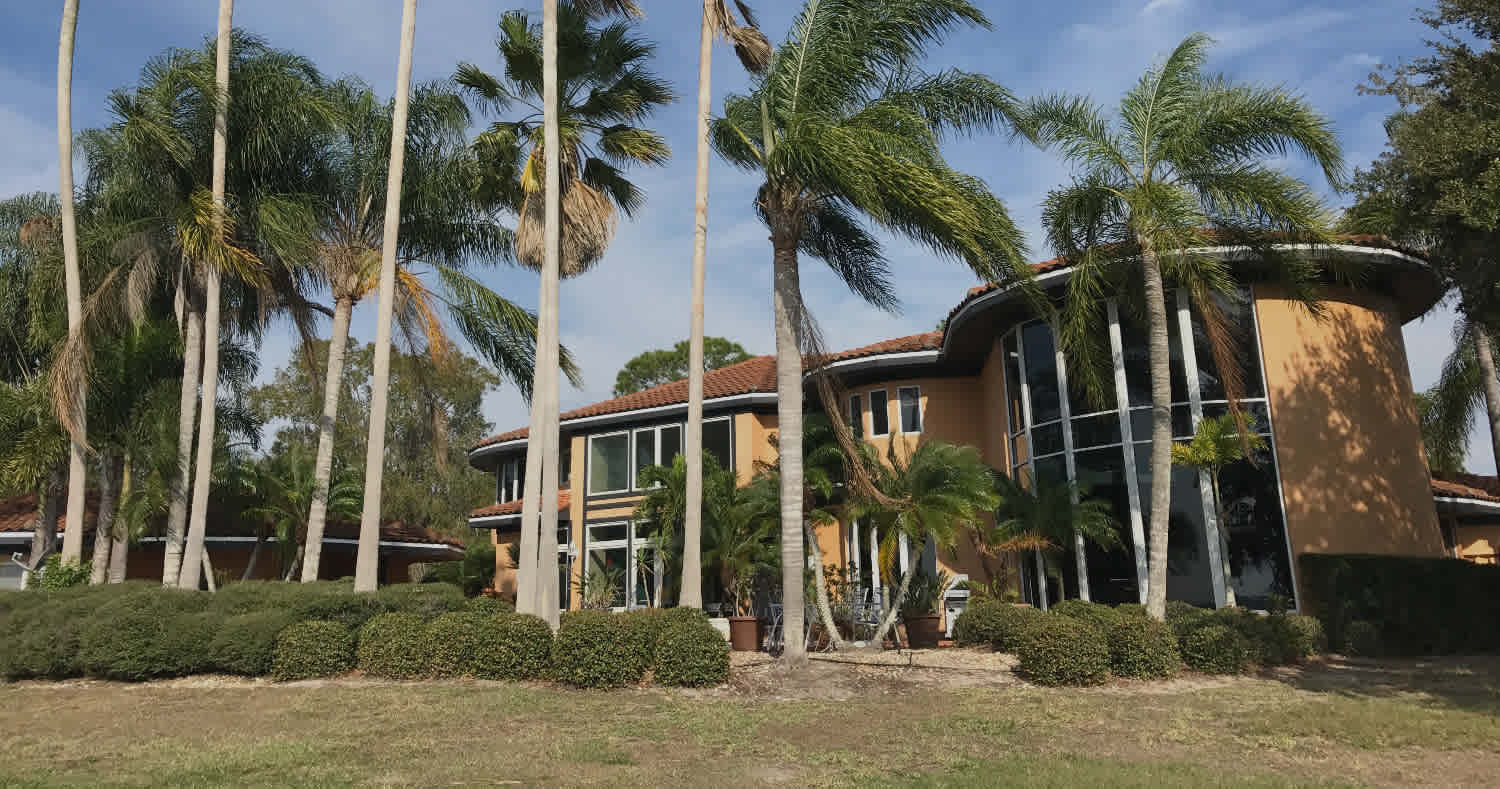
Futures of Recovery Healthcare specializes in treating adults 30 years and older suffering from substance use, mental health disorders, and co-occurring disorde...

$29,500 - $82,500
Learn / More Than a Business: The Unique Benefits of a Family-Owned Rehab

By
| Published May 28th, 2019| Professionally Reviewed By
Reviewed by Olivia Mueller on May 28, 2019

Written by Ben Camp, CEO of RehabPath
Over the past few years, I’ve had the chance to visit a number (the current count is 19, I believe) of the luxury rehabs listed on our site.
I’ve enjoyed meeting the teams behind each one, but have come to particularly appreciate and recognize the unique benefit of family-owned and operated centers. Here are a few of the reasons that dynamic can be so special.

Ad
Tequesta, Florida, United States
Futures of Recovery Healthcare specializes in treating adults 30 years and older suffering from substance use, mental health disorders, and co-occurring disorde...
$29,500 - $82,500

Ad
Vail Valley, Colorado, United States
All Points North Lodge is a comprehensive wellness and personal development campus specializing in addiction, trauma, and mental health.
$49,000-$200,000

Ad
Malibu & Los Angeles, California
Oro House provides compassionate treatment focused on connection and a full continuum of services. Voted California's Best Addiction Treatment Center of 2021 by...
$30,000-90,000/month

Ad
Canton, Massachusetts, United States
Located on 6 acres of greenery, Bedrock Recovery Center is a hotel-style rehab providing trauma-informed and evidence-based treatment plans for adults.

Ad
San Clemente, California, United States
Located in sunny Southern California, Chapters Capistrano provides holistic, evidence-based treatment for substance abuse and addiction.
$39,500 (Insurance Accepted)

Ad
Los Angeles, California, United States
Nestled in the private hills of Los Angeles, Hollywood Hills Recovery is a boutique substance abuse treatment center offering holistic care.
$30,000+/month (Insurance Accepted)

Ad
Houston, Texas, United States
J. Flowers Health Institute provides personalized, concierge care, for busy professionals, adolescents and young adults, and highly complex individuals.
$49,500 - $129,000

Ad
Raymond, Illinois, United States
Located in the countryside, Lincoln Recovery takes an evidence-based approach to treatment, offering onsite detox, individualized programming and luxurious priv...
$25,000 - $35,000

Ad
Dana Point, California, United States
Monarch Shores offers luxury housing with beautiful ocean views and individualized addiction treatment in Southern California.
$34,500

Ad
Malibu, California, United States
A 5-star Yelp-rated Luxury Treatment Center in Malibu, offering a majestic ocean view, 1-1 doctorate-level therapy sessions, and private ensuite rooms.
$90,000 (Insurance Accepted)

Ad
Tucson, Arizona, United States
Using an innovative treatment program called The Sierra Model, Sierra Tucson has been rated one of the region’s top-ranking hospitals by U.S. News.
$20,000-$45,000

Ad
Newport Beach, California, United States
With multiple facilities strategically located on magnificent Newport Beach, Sierra by the Sea provides gender-specific, primary and long-term treatment.
$16,500-$33,000

Ad
Ashby, Massachusetts, United States
A 70-acre secluded retreat offering tailored treatment plans, evidence-based therapies, and a family-like atmosphere in the Massachusetts woodlands.
$22,000 - $31,000 (Insurance Accepted)

Ad
Florida, USA
Tikvah Lake Recovery is an extremely personalized executive treatment center for those who seek the ultimate in treatment, privacy, and luxurious comfort.
$60,000–$85,000 per month

Ad
Hollywood, Florida, United States
A multi-structured program that offers gender-specific residential housing and personal treatment plans.
$30,000-$60,000 (Insurance Accepted)
There’s certainly nothing inherently wrong with institutional investors, but a key benefit communicated to me when visiting these centers is that without an institutional investor to answer to, family-owned rehabs find they are freer to make decisions that put client needs over profit when necessary.
Don Lavender (Programme Director) and his wife Meena (Family Therapist & EMDR Practitioner) run Camino Recovery in Malaga, Spain. Don and Meena spent many years working for institutional treatment centers in the US and UK, and Don was happy to share the benefits of operating a family-owned center.
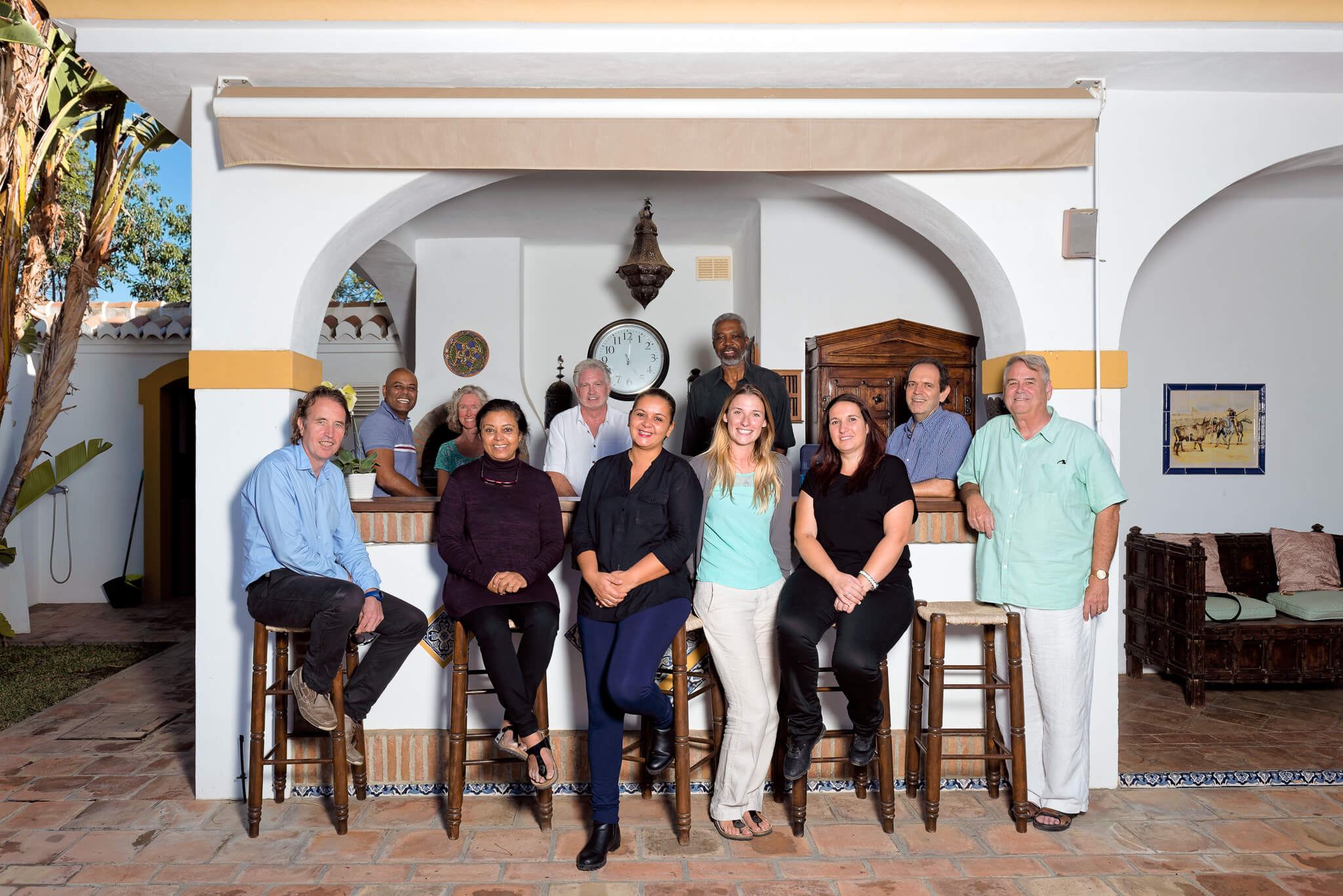
“Meena and I … wanted to do this on our own. … Even though we’ve been approached a number of times, we haven’t gone with or worked with investors. Because when you have to pay more attention to the bottom line than paying attention to the welfare of the client, sometimes a good business decision can turn out to be a poor clinical decision.”
Jan Gerber, Managing Director of Paracelsus Recovery in Switzerland, who runs the company with his mom, the Clinical Coordinator, and dad, the Medical Director puts it this way, “I have a very strong belief that institutional money, institutional investments, and mental health don’t work together. Because when it comes to mental health treatment, be it addiction treatment, eating disorders, depression, or anything else, there is no objective decision. Does a person need more psychotherapy or less psychotherapy? More of that treatment or less of that treatment? It needs to be a clinical decision where the budget and financial side is completely cut off.”

For the most part, family-run treatment centers tend to be smaller, more intimate environments. Of the four I mention in this post, Camino is the largest with a maximum of 8 clients, which is well below the norm for residential treatment centers.
Dr. David Nesenoff, of Tikvah Lake Recovery in Florida, provides an extremely personalized treatment experience with treatment taking place entirely in his home.
“Even though Tikvah Lake Recovery is a 15,000 square foot mansion on a 200-acre private lake, this is our home. My wife Nancy and I live here. There are no signs outside and if one were to poke their head in they would see a peaceful home with a few guests visiting. Our clients are considered guests in our home and they are treated as such. … Discussions around our table can be anything from talking about the unbelievable food in front of us or about our day or just some fun stuff hosts and guests usually talk about around the family table. Our clinical director becomes part of the family as well as he often joins us around the lunch table and he and his staff are on-site working with our guests one-on-one every day.”
Dr. Nesenoff welcomes potential clients into his home in the short clip above.
David and his son Adam, who operate the center together, believe that the size of the facility (the program is limited to a maximum of 6 people) and the home-like atmosphere are key factors to their guests’ success.
Ameet Braich, Clinical Director of Camino Recovery (and the son of Meena Lavender) also sees great benefit in a more intimate setting. “We’ve all come from years in the field, working in larger institutions and have found that working in a clinical environment is detrimental to the therapeutic process. Having a small, intimate space where people can really get honest and open up about their issues, really works well in this setting.”
My first exposure to a family-owned and operated treatment center was Duffy’s Napa Valley. From its founding in 1967 until it was acquired in 2015, Duffy’s operated as a family-run business, and frequently described themselves as “A family business for a family problem.” That slogan resonated with me, and I think its a key component to why family-owned centers are so special.
Addiction is a problem that affects the entire family and can also be a byproduct of problems within the family. So “it is natural for the solutions to these struggles and barriers to be learned within a family environment,” says Nesenoff.
Clients at a family-operated program get the chance to see family dynamics in action, which in itself can be helpful. Don says, “We’re imperfect just like every family. But when we mess up or make mistakes, we acknowledge it. And, in a way, it gives the clients the permission to learn.”
As a key part of their program, Camino invites the families of their clients to join them on site for a 5-day workshop, where according to Don, they teach them about the “disease concept and codependency” as well as a focus on enablement.
He doesn’t doubt that there is a connection between Camino’s family ownership and the effectiveness of their family program. “Camino is a family-owned and family-run business. … We pay attention to families seriously, not only our own family but the family systems of others. … Family is important. It is of value. And when people leave us, they return to family.”
“It’s a dream come true.” This is how Debby Berry, co-founder of Kembali Recovery described starting and running a treatment center with her son Clayton.
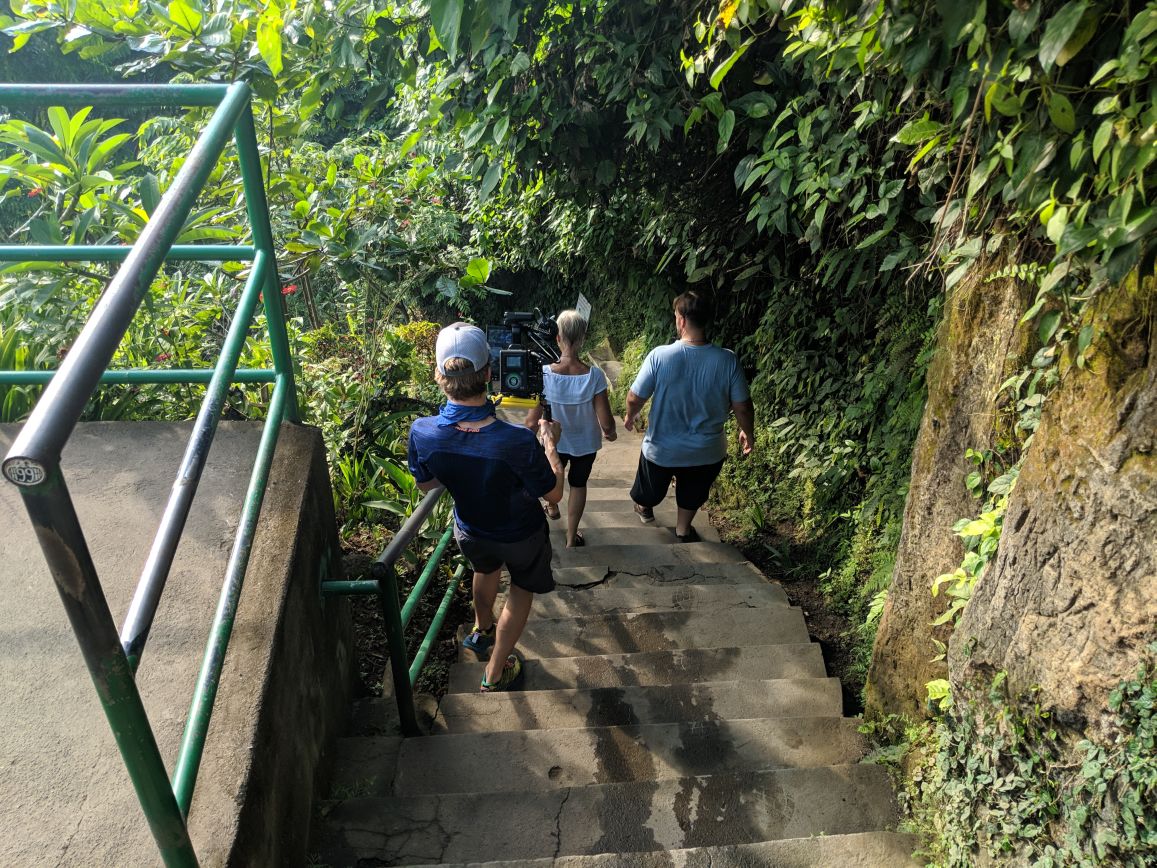
As anyone who runs a family business knows, it has its challenges. But more often than not, the benefits are worth the effort, and felt not only throughout the organization but by the clients and their families in desperate need of help.
When considering treatment options, you should always investigate the quality of the program, including the qualifications of the staff, licensing, and accreditation. Whenever possible, consult a trusted medical or mental health professional before a final decision is made.
Return to Blog Home
By
| Published May 28th, 2019| Professionally Reviewed ByReviewed by Olivia Mueller on May 28, 2019
Learn / More Than a Business: The Unique Benefits of a Family-Owned Rehab
By
| Published May 28th, 2019Reviewed by Olivia Mueller on May 28, 2019
Written by Ben Camp, CEO of RehabPath
Over the past few years, I’ve had the chance to visit a number (the current count is 19, I believe) of the luxury rehabs listed on our site.
I’ve enjoyed meeting the teams behind each one, but have come to particularly appreciate and recognize the unique benefit of family-owned and operated centers. Here are a few of the reasons that dynamic can be so special.
Ad
Tequesta, Florida, United States
Futures of Recovery Healthcare specializes in treating adults 30 years and older suffering from substance use, mental health disorders, and co-occurring disorde...
$29,500 - $82,500
Ad
Vail Valley, Colorado, United States
All Points North Lodge is a comprehensive wellness and personal development campus specializing in addiction, trauma, and mental health.
$49,000-$200,000
Ad
Malibu & Los Angeles, California
Oro House provides compassionate treatment focused on connection and a full continuum of services. Voted California's Best Addiction Treatment Center of 2021 by...
$30,000-90,000/month
Ad
Canton, Massachusetts, United States
Located on 6 acres of greenery, Bedrock Recovery Center is a hotel-style rehab providing trauma-informed and evidence-based treatment plans for adults.
Ad
San Clemente, California, United States
Located in sunny Southern California, Chapters Capistrano provides holistic, evidence-based treatment for substance abuse and addiction.
$39,500 (Insurance Accepted)
Ad
Los Angeles, California, United States
Nestled in the private hills of Los Angeles, Hollywood Hills Recovery is a boutique substance abuse treatment center offering holistic care.
$30,000+/month (Insurance Accepted)
Ad
Houston, Texas, United States
J. Flowers Health Institute provides personalized, concierge care, for busy professionals, adolescents and young adults, and highly complex individuals.
$49,500 - $129,000
Ad
Raymond, Illinois, United States
Located in the countryside, Lincoln Recovery takes an evidence-based approach to treatment, offering onsite detox, individualized programming and luxurious priv...
$25,000 - $35,000
Ad
Dana Point, California, United States
Monarch Shores offers luxury housing with beautiful ocean views and individualized addiction treatment in Southern California.
$34,500
Ad
Malibu, California, United States
A 5-star Yelp-rated Luxury Treatment Center in Malibu, offering a majestic ocean view, 1-1 doctorate-level therapy sessions, and private ensuite rooms.
$90,000 (Insurance Accepted)
Ad
Tucson, Arizona, United States
Using an innovative treatment program called The Sierra Model, Sierra Tucson has been rated one of the region’s top-ranking hospitals by U.S. News.
$20,000-$45,000
Ad
Newport Beach, California, United States
With multiple facilities strategically located on magnificent Newport Beach, Sierra by the Sea provides gender-specific, primary and long-term treatment.
$16,500-$33,000
Ad
Ashby, Massachusetts, United States
A 70-acre secluded retreat offering tailored treatment plans, evidence-based therapies, and a family-like atmosphere in the Massachusetts woodlands.
$22,000 - $31,000 (Insurance Accepted)
Ad
Florida, USA
Tikvah Lake Recovery is an extremely personalized executive treatment center for those who seek the ultimate in treatment, privacy, and luxurious comfort.
$60,000–$85,000 per month
Ad
Hollywood, Florida, United States
A multi-structured program that offers gender-specific residential housing and personal treatment plans.
$30,000-$60,000 (Insurance Accepted)
There’s certainly nothing inherently wrong with institutional investors, but a key benefit communicated to me when visiting these centers is that without an institutional investor to answer to, family-owned rehabs find they are freer to make decisions that put client needs over profit when necessary.
Don Lavender (Programme Director) and his wife Meena (Family Therapist & EMDR Practitioner) run Camino Recovery in Malaga, Spain. Don and Meena spent many years working for institutional treatment centers in the US and UK, and Don was happy to share the benefits of operating a family-owned center.
“Meena and I … wanted to do this on our own. … Even though we’ve been approached a number of times, we haven’t gone with or worked with investors. Because when you have to pay more attention to the bottom line than paying attention to the welfare of the client, sometimes a good business decision can turn out to be a poor clinical decision.”
Jan Gerber, Managing Director of Paracelsus Recovery in Switzerland, who runs the company with his mom, the Clinical Coordinator, and dad, the Medical Director puts it this way, “I have a very strong belief that institutional money, institutional investments, and mental health don’t work together. Because when it comes to mental health treatment, be it addiction treatment, eating disorders, depression, or anything else, there is no objective decision. Does a person need more psychotherapy or less psychotherapy? More of that treatment or less of that treatment? It needs to be a clinical decision where the budget and financial side is completely cut off.”
For the most part, family-run treatment centers tend to be smaller, more intimate environments. Of the four I mention in this post, Camino is the largest with a maximum of 8 clients, which is well below the norm for residential treatment centers.
Dr. David Nesenoff, of Tikvah Lake Recovery in Florida, provides an extremely personalized treatment experience with treatment taking place entirely in his home.
“Even though Tikvah Lake Recovery is a 15,000 square foot mansion on a 200-acre private lake, this is our home. My wife Nancy and I live here. There are no signs outside and if one were to poke their head in they would see a peaceful home with a few guests visiting. Our clients are considered guests in our home and they are treated as such. … Discussions around our table can be anything from talking about the unbelievable food in front of us or about our day or just some fun stuff hosts and guests usually talk about around the family table. Our clinical director becomes part of the family as well as he often joins us around the lunch table and he and his staff are on-site working with our guests one-on-one every day.”
Dr. Nesenoff welcomes potential clients into his home in the short clip above.
David and his son Adam, who operate the center together, believe that the size of the facility (the program is limited to a maximum of 6 people) and the home-like atmosphere are key factors to their guests’ success.
Ameet Braich, Clinical Director of Camino Recovery (and the son of Meena Lavender) also sees great benefit in a more intimate setting. “We’ve all come from years in the field, working in larger institutions and have found that working in a clinical environment is detrimental to the therapeutic process. Having a small, intimate space where people can really get honest and open up about their issues, really works well in this setting.”
My first exposure to a family-owned and operated treatment center was Duffy’s Napa Valley. From its founding in 1967 until it was acquired in 2015, Duffy’s operated as a family-run business, and frequently described themselves as “A family business for a family problem.” That slogan resonated with me, and I think its a key component to why family-owned centers are so special.
Addiction is a problem that affects the entire family and can also be a byproduct of problems within the family. So “it is natural for the solutions to these struggles and barriers to be learned within a family environment,” says Nesenoff.
Clients at a family-operated program get the chance to see family dynamics in action, which in itself can be helpful. Don says, “We’re imperfect just like every family. But when we mess up or make mistakes, we acknowledge it. And, in a way, it gives the clients the permission to learn.”
As a key part of their program, Camino invites the families of their clients to join them on site for a 5-day workshop, where according to Don, they teach them about the “disease concept and codependency” as well as a focus on enablement.
He doesn’t doubt that there is a connection between Camino’s family ownership and the effectiveness of their family program. “Camino is a family-owned and family-run business. … We pay attention to families seriously, not only our own family but the family systems of others. … Family is important. It is of value. And when people leave us, they return to family.”
“It’s a dream come true.” This is how Debby Berry, co-founder of Kembali Recovery described starting and running a treatment center with her son Clayton.
As anyone who runs a family business knows, it has its challenges. But more often than not, the benefits are worth the effort, and felt not only throughout the organization but by the clients and their families in desperate need of help.
When considering treatment options, you should always investigate the quality of the program, including the qualifications of the staff, licensing, and accreditation. Whenever possible, consult a trusted medical or mental health professional before a final decision is made.
Return to Blog Home
By
| Published May 28th, 2019Reviewed by Olivia Mueller on May 28, 2019

LuxuryRehabs.com makes finding a treatment center effortless. Offering a comprehensive list of the world's best luxury centers, and providing pricing information, reviews, and more, choosing the best path to your recovery has never been easier.