Spa
Spa Pool
Pool Pet Friendly
 Basketball Court
 Private Rooms

 Tequesta, Florida, United States
Futures of Recovery Healthcare specializes in treating adults 30 years and older suffering from substance use, mental health disorders, and co-occurring disorde...

$29,500 - $82,500
Learn / Is Medication-Assisted Treatment (MAT) Right for You?

By

Reviewed by Lisa Misquith on null

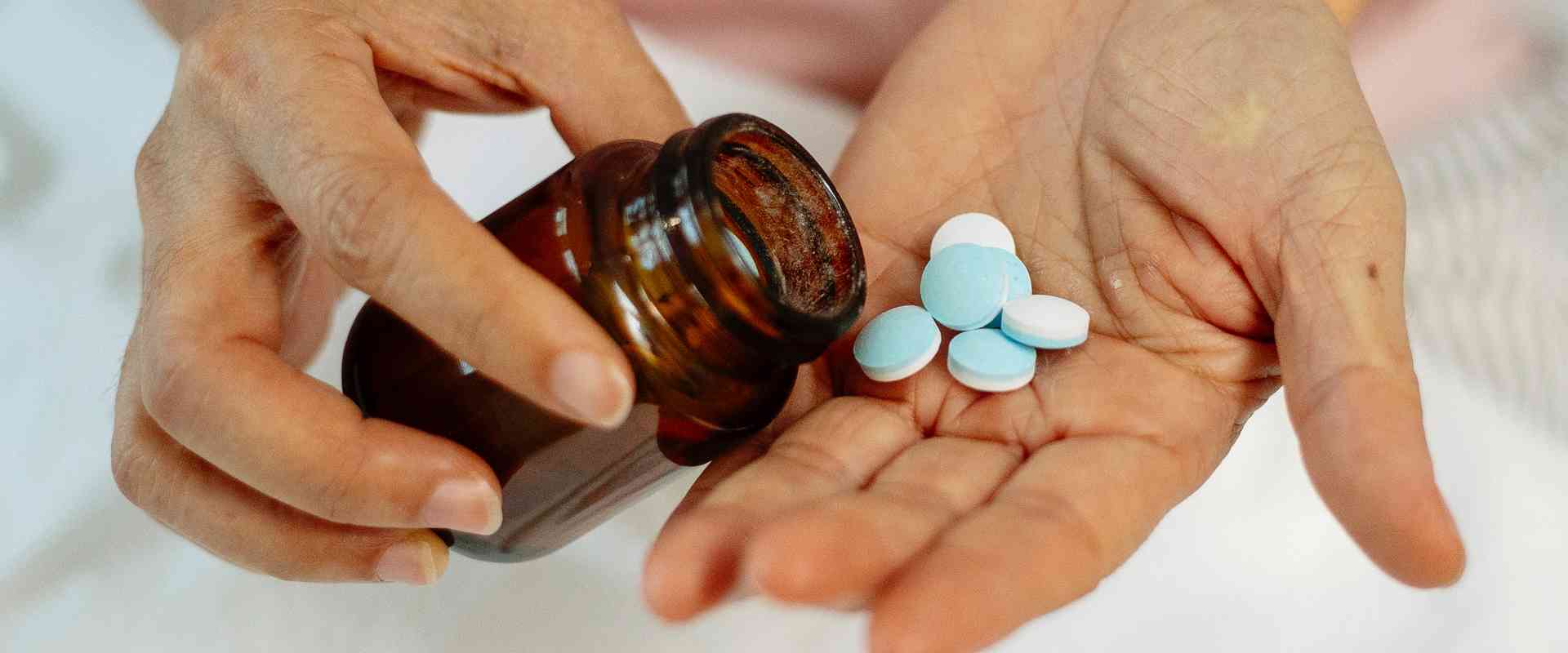
Medication-assisted treatment (MAT) is an addiction treatment method that uses pharmaceuticals to address substance dependency. Because it entails medications that can themselves be addictive, this approach is controversial among those seeking treatment, the medical community, and addiction treatment professionals. And while this evidence-based treatment helps many people overcome their addictions, it also carries a significant amount of documented risks.
If this is a treatment option you’re considering for yourself or for your loved one, it may be helpful to think of MAT as just one available tool that some find beneficial on their path to recovery. “Substance use disorders occur within a much greater percentage of the population than you would ordinarily think,” says Douglass Weiss, President and Chief Customer Officer of Gallus Detox Centers. “About 20 million people in the United States have a substance use disorder. However, only 11% of those people seek treatment.” Considering how pervasive this problem is, any tool that can help someone sustainably recover is one worth (carefully) considering.
If you’re trying to decide if MAT is an appropriate option for you, learning more about what it is, what specific medicines are used, and what substance use disorders it can treat will empower you with the knowledge you need to move forward in the direction that feels best for you.

Ad
Tequesta, Florida, United States
Futures of Recovery Healthcare specializes in treating adults 30 years and older suffering from substance use, mental health disorders, and co-occurring disorde...
$29,500 - $82,500

Ad
Vail Valley, Colorado, United States
All Points North Lodge is a comprehensive wellness and personal development campus specializing in addiction, trauma, and mental health.
$49,000-$200,000

Ad
Malibu & Los Angeles, California
Oro House provides compassionate treatment focused on connection and a full continuum of services. Voted California's Best Addiction Treatment Center of 2021 by...
$30,000-90,000/month

Ad
Canton, Massachusetts, United States
Located on 6 acres of greenery, Bedrock Recovery Center is a hotel-style rehab providing trauma-informed and evidence-based treatment plans for adults.

Ad
San Clemente, California, United States
Located in sunny Southern California, Chapters Capistrano provides holistic, evidence-based treatment for substance abuse and addiction.
$39,500 (Insurance Accepted)

Ad
Los Angeles, California, United States
Nestled in the private hills of Los Angeles, Hollywood Hills Recovery is a boutique substance abuse treatment center offering holistic care.
$30,000+/month (Insurance Accepted)

Ad
Houston, Texas, United States
J. Flowers Health Institute provides personalized, concierge care, for busy professionals, adolescents and young adults, and highly complex individuals.
$49,500 - $129,000

Ad
Raymond, Illinois, United States
Located in the countryside, Lincoln Recovery takes an evidence-based approach to treatment, offering onsite detox, individualized programming and luxurious priv...
$25,000 - $35,000

Ad
Dana Point, California, United States
Monarch Shores offers luxury housing with beautiful ocean views and individualized addiction treatment in Southern California.
$34,500

Ad
Malibu, California, United States
A 5-star Yelp-rated Luxury Treatment Center in Malibu, offering a majestic ocean view, 1-1 doctorate-level therapy sessions, and private ensuite rooms.
$90,000 (Insurance Accepted)

Ad
Tucson, Arizona, United States
Using an innovative treatment program called The Sierra Model, Sierra Tucson has been rated one of the region’s top-ranking hospitals by U.S. News.
$20,000-$45,000

Ad
Newport Beach, California, United States
With multiple facilities strategically located on magnificent Newport Beach, Sierra by the Sea provides gender-specific, primary and long-term treatment.
$16,500-$33,000

Ad
Ashby, Massachusetts, United States
A 70-acre secluded retreat offering tailored treatment plans, evidence-based therapies, and a family-like atmosphere in the Massachusetts woodlands.
$22,000 - $31,000 (Insurance Accepted)

Ad
Florida, USA
Tikvah Lake Recovery is an extremely personalized executive treatment center for those who seek the ultimate in treatment, privacy, and luxurious comfort.
$60,000–$85,000 per month

Ad
Hollywood, Florida, United States
A multi-structured program that offers gender-specific residential housing and personal treatment plans.
$30,000-$60,000 (Insurance Accepted)
In short, medication-assisted treatment1 is exactly what its name implies: “the use of medications, in combination with counseling and behavioral therapies, to provide a ‘whole-patient’ approach to the treatment of substance use disorders,” as defined by the U.S. Substance Abuse and Mental Health Services Administration (SAMHSA).
SAMHSA further explains how the prescribed medicines used in MAT help “normalize brain chemistry2, block the euphoric effects of alcohol and opioids, relieve physiological cravings, and normalize body functions without the negative and euphoric effects of the substance used.”
MAT is primarily used to treat three substance use disorder or conditions:
1. Alcohol use disorder (AUD)
2. Opioid use disorder (OUD)
3. Opioid overdose
Medication-assisted treatment is used to treat a range of opioid addictions including heroin and prescription painkillers. According to SAMHSA, “research shows that a combination of medication and therapy can successfully treat these disorders, and for some people struggling with addiction, MAT can help sustain recovery2.”
On the other hand, some rehab professionals, like Weiss, believe that “the best way to start the recovery journey is to be completely clear of substances so that when you enter psychotherapy, you’re doing so on the right foot. It also helps people succeed in talk therapy.”
It’s important to know that MAT is not a one-size-fits all addiction solution. Today, several medications are approved and used for MAT. Effective MAT programs should be “clinically driven and tailored to meet each patient’s needs,” as SAMHSA explains.
Specific medications used for MAT vary depending on a) what kind of SUD is being treated, and b) your personal medical and substance use history. In the U.S., the medications used in MAT3 must be approved by the Food and Drug Administration (FDA). In Europe, these medicines are regulated and approved by the European Medicines Agency (EMA).
Note: The following information has been compiled from the following guides, all from the U.S. Substance Abuse and Mental Health Services Administration:
Disclaimer:The information below has been professionally reviewed but does not represent, nor should be mistaken for, medical advice. Please seek medical advice from your doctor or qualified addiction treatment professional to fully review and understand the benefits, risks and side effects of the medications discussed.

Acamprosate is a delayed-release synthetic compound used to help maintain abstinence from alcohol.
What it does: This drug helps modulate and normalize alcohol-related changes in brain activity. This may help reduce common withdrawal symptoms like insomnia, anxiety, and restlessness which may help people remain abstinent.
Pros and cons: In many European trials, acamprosate is much more effective than placebo in reducing drinking days and increasing complete abstinence, both in the short and long term. Acamprosate appears to have no potential for abuse, and carries virtually no overdose risk. Its side effects, which are mild and usually disappear after a few weeks, may include diarrhea, upset stomach, loss of appetite, anxiety, dizziness, and difficulty sleeping. Acamprosate’s rare but serious side effects include suicidal ideation and suicide attempts.
Where it’s administered: This medicine is only available at pharmacies with a doctor’s prescription.
The first medication approved by the FDA to treat alcohol dependence, disulfiram is an alcohol-aversive or alcohol-sensitizing agent.
What it does: Disulfiram disrupts the metabolism of alcohol, which creates an acutely toxic physical reaction if a person taking disulfiram consumes alcohol. These reactions range from moderate to severe, depending on the individual, and can include sweating, hyperventilation, blurred vision, nausea and vomiting, chest pain, tachycardia, vertigo, confusion, and weakness.
Pros and cons: The time between alcohol ingestion and the reaction can be as long as 30 minutes and the intensity of the reaction is unpredictable. The disulfiram-alcohol reaction can be life-threatening if taken in wrong dosages. Studies on the effectiveness of disulfiram have mixed findings, and this drug isn’t appropriate for people with severely impaired judgment or high impulsivity from a severe mental illness or cognitive impairment.
Where it’s administered: Disulfiram is a prescription medication, and, according to SAMHSA, is highly recommended when “supervised administration by a pharmacist, healthcare provider, or family member.”
Buprenorphine is used to decrease opioid withdrawal symptoms and cravings.
What it does: When taken in low to moderate doses, buprenorphine produces partial opioid effects like euphoria and respiratory depression. These effects are considered “partial” because they’re weaker than the effects of “full” opioids like heroin.
Pros and cons: Buprenorphine causes limited respiratory depression and has a therapeutic limit, which means it’s less likely to produce an overdose8 even if doses are increased. But because buprenorphine does have opioid effects, it can be misused. Additionally, some of buprenorphine’s serious side effects include respiratory distress, dependence, withdrawal, and neonatal abstinence syndrome in newborns.
Where it’s administered: Buprenorphine is the first OUD treatment medication that can be prescribed or dispensed in doctor’s offices with dosing done at home, rather than strictly from opioid treatment programs.
Methadone is a schedule II controlled medication9 that activates the brain’s opioid receptors, producing an opioid effect.
What it does: When taken as prescribed, methadone can help reduce opioid cravings and withdrawal symptoms by blunting or blocking the effects of opioids.
Pros and cons: Methadone has been used to treat OUD for more than 50 years. Because it interacts with other medications, has drastically different effects on different people, and has long-lasting active ingredients, methadone doses must be individually tailored and often adjusted and readjusted. Methadone does not have a ceiling effect, or a point at which the drug’s potency and benefits plateau. So, unmonitored dosing can lead to intentional or unintentional intoxication and overdose death, which is why methadone isn’t available as a take-home prescription.
Where it’s administered: In the U.S., by law, only practitioners at a federally accredited opioid treatment program10 (OTP) or specially licensed clinic can offer and administer methadone treatment.
Naltrexone, an opioid antagonist, can be used to treat both alcohol use disorders and opioid dependence.
What it does: Naltrexone blocks the rewarding effects and feelings of intoxication from alcohol and opioids, helping reduce cravings.
Pros and cons: Naltrexone is a potentially effective treatment option for people with a history of both opioid and alcohol use disorders. This medicine has been shown to lower alcohol consumption and improve relapse rates, has little abuse potential, and most don’t develop a tolerance to its effects. But before using naltrexone for treatment, patients should be fully withdrawn from all opioids, or the drug could cause severe opioid withdrawal symptoms. Treatment outcomes in studies have been mixed and high doses of naltrexone can cause liver damage. There is also poor compliance and retention with its use and people with chronic pain should not use it.
Where it’s administered: Naltrexone can be prescribed by any licensed health care provider.
Naloxone is essentially an antidote to opioids.
What it does: If administered in time, naloxone rapidly reverses the toxic effects, or respiratory depression, of an opioid overdose. It does this by temporarily blocking and reversing the effects of other opioids, like heroin or morphine. It has no effect on non-opioid drug overdoses.
Pros and cons: Because of its life-saving potential, naloxone is classified as an essential medicine by the World Health Organization (WHO)11. It has no dependency potential and a high safety margin. Some people have experienced allergic reactions to this medicine and naloxone causes symptoms of opioid withdrawal.
Where it’s available: In the U.S. you can get naloxone from a pharmacy, and many states do not require a patient-specific prescription. As of 2019, 11 EU member states and Norway run take-home naloxone programs12, which “combine training on overdose risk and management with the distribution of naloxone to potential bystanders,” making the life-saving drug more available “in places where overdoses might occur.”

Many rehab and medical professionals have reservations about using potentially addictive or harmful medicines to treat addictions. Below we’ll address some of the most common concerns and risks associated with MAT.
Most of the medications used in MAT are themselves addictive. Inadequate medical supervision, mismanagement of doses, or self-medicating can all lead to an increased risk of abuse and cross-addiction of the medications meant to help people overcome their addictions. For example, one study found that “young adults are much more likely to start abusing prescription opioids13 than they are to start abusing illegal opioids such as heroin.”
“We are also very conscientious about not cross-addicting patients, which is, in a way, what medication-assisted therapy does,” says Weiss. “It puts you on another medication, but it is nevertheless an addictive medication. Suboxone, for example, has a 7- to 8-day detox period to get the person off of that medication.”
A 2021 study by the European Monitoring Centre for Drugs and Drug Addiction (EMCDDA) found that although half of the EU’s 1.3 million high-risk opioid users were
receiving opioid substitution treatment14* (OST), and nearly 15% of people who entered specialized drug treatment programs “sought treatment for problems associated with the misuse of an OST medication.”
*Similarly to MAT, opioid substitution treatment (OST) is what harm-reduction programs that prescribe medications are called in the EU.
A 3-year trial called the Prescription Opioid Addiction Treatment Study (POATS) concluded that “prescription opioid-dependent patients are most likely to reduce opioid use during buprenorphine-naloxone treatment,” supporting the argument in favor of MAT which claims that opioid medications help people maintain abstinence from full opioids. It’s important to note that the opposite—in order to stay abstinent you have to take prescription opioids—has also proven true. The same study also found that more than 90% of adults relapse after tapering off of prescription opioids15, even when the length of tapering was increased from 8 to 12 weeks. A different 2008 study found that the duration of prescription opioid therapy “exceeded the time spent abusing13” and concluded that “there is no evidence-based data to suggest when or if substitution therapy can be discontinued.”
To be most effective, MAT is typically recommended alongside conventional talk therapy. Results from the POATS show, though, that “the addition of individual opioid dependence counseling to buprenorphine-naloxone plus medical management did not improve opioid use outcomes.” Counseling may help some have successful outcomes with MAT, but its effectiveness in combination with this treatment hasn’t been consistently proven.
Some studies on the benefits and effectiveness of MAT don’t include a control group of people who aren’t receiving MAT. For example, one study evaluating the effects of counseling on MAT outcomes15 acknowledged that it didn’t examine the effects of counseling alone or with less intensive medical treatments. And, even for those receiving MAT and counseling, about only half of the patients had successful outcomes.
Despite the documented risks of MAT, there are still many organizations, medical professionals, and MAT patients who support its use. Just as there are many studies showing the risks, scientific research also shows the benefits of MAT, including its medical effectiveness at helping people achieve abstinence, as well as behavioral benefits.
In general, overdose survivors have an increased risk for drug-related death. One 2018 study by the American College of Physicians found that methadone maintenance treatment (MMT) and buprenorphine “were associated with reduced all-cause and opioid-related mortality16.” The results from a different 2021 study by the U.K.’s Harm Reduction Journal similarly found that the longer duration and better retention in MAT is associated with a decreased risk of overdose17.
The 2009 methadone treatment for opioid dependence study from the Cochrane Library determined that methadone is an effective treatment for heroin dependence18 because it “retains patients in treatment and decreases heroin use better than treatments that do not utilize opioid replacement therapy.” Another trial funded by NIDA in 2005 reported that “retention in treatment was dose related19, with 39%, 60%, and 68% of patients in the placebo, 192 mg of naltrexone, and 384 mg of naltrexone groups, respectively, remaining in treatment at the end of 2 months.” And lastly, a 2003 article published by The New England Journal of Medicine concluded that clinically administered medical treatments for opioid addiction had greater efficacy than placebo20 and reduced the use of and craving for opiates.

Experts in the U.S. are calling for greater use of MAT to reduce the risk of death after opioid overdose21. “A great part of the tragedy of this opioid crisis is that, unlike in previous such crises America has seen, we now possess effective treatment strategies that could address it and save many lives,” says Dr. Nora. “Yet tens of thousands of people die each year because they have not received these treatments.” To illustrate this point, a 2020 investigation published by the American Medical Association found that of about 3,800 teens and young adults from 13 to 22 years old who experienced nonfatal opioid overdoses, only one-third received “any timely addiction treatment after overdose22.”
In the U.S., the American Medical Association and the American Academy of Family Physicians jointly published a document urging policymakers to remove all barriers to MAT23 for people with substance use disorders. In 2020, the White House Office of National Drug Control Policy published the U.S. federal government’s first ever National Treatment Plan for Substance Use Disorders24, which prioritized increasing access to “evidence-based addiction treatment, including Medication Assisted Treatment (MAT) for Opioid Use Disorder (OUD).” And in June 2021, the Council of the E.U. approved the 2021-2025 EU Drugs Action Plan25 which details several measures to increase access to prescription opioid treatments.
Disclaimer: The answers below have been professionally reviewed but do not represent, nor should be mistaken for, medical advice. Please consult with your doctor to learn more about any potential side effects or concerns about MAT that you should take into consideration.
The effectiveness of MAT differs from person to person and can be affected by any number of factors. While the effectiveness of MAT varies and is not guaranteed, MAT has been shown to have positive outcomes on:
As with any therapies that require medication, MAT does entail risks and side effects. Documented risks of MAT include:
The side effects of MAT vary depending on which specific medication(s) you’re given. Even then, similar to taking different medications for different mental or physical health conditions, not everyone reacts the same or experiences the same side effects from MAT. Common side effects to MAT range from nausea and vomiting, to constipation and frequent urination, to sexual dysfunction and addiction. More serious side effects can include suicide ideation and death by overdose.
The answer to this question is complicated and really depends on what you believe, your personal substance use and treatment experiences, and what research resonates more with you. Some addiction treatment professionals do believe MAT replaces one addictive substance for another, while others recognize MAT’s potential to reduce drug-related deaths.
Ultimately, the decision to pursue medication-assisted treatment is a personal one. Your primary care physician, psychiatrist, and/or treatment center admissions staff can provide more information on what to expect from this process and help you determine what course of action is best for you.
Browse our directory of luxury medical rehabs to learn more about available programs.
Return to Blog Home
By
Reviewed by Lisa Misquith on null
Learn / Is Medication-Assisted Treatment (MAT) Right for You?
By
Reviewed by Lisa Misquith on null
Medication-assisted treatment (MAT) is an addiction treatment method that uses pharmaceuticals to address substance dependency. Because it entails medications that can themselves be addictive, this approach is controversial among those seeking treatment, the medical community, and addiction treatment professionals. And while this evidence-based treatment helps many people overcome their addictions, it also carries a significant amount of documented risks.
If this is a treatment option you’re considering for yourself or for your loved one, it may be helpful to think of MAT as just one available tool that some find beneficial on their path to recovery. “Substance use disorders occur within a much greater percentage of the population than you would ordinarily think,” says Douglass Weiss, President and Chief Customer Officer of Gallus Detox Centers. “About 20 million people in the United States have a substance use disorder. However, only 11% of those people seek treatment.” Considering how pervasive this problem is, any tool that can help someone sustainably recover is one worth (carefully) considering.
If you’re trying to decide if MAT is an appropriate option for you, learning more about what it is, what specific medicines are used, and what substance use disorders it can treat will empower you with the knowledge you need to move forward in the direction that feels best for you.
Ad
Tequesta, Florida, United States
Futures of Recovery Healthcare specializes in treating adults 30 years and older suffering from substance use, mental health disorders, and co-occurring disorde...
$29,500 - $82,500
Ad
Vail Valley, Colorado, United States
All Points North Lodge is a comprehensive wellness and personal development campus specializing in addiction, trauma, and mental health.
$49,000-$200,000
Ad
Malibu & Los Angeles, California
Oro House provides compassionate treatment focused on connection and a full continuum of services. Voted California's Best Addiction Treatment Center of 2021 by...
$30,000-90,000/month
Ad
Canton, Massachusetts, United States
Located on 6 acres of greenery, Bedrock Recovery Center is a hotel-style rehab providing trauma-informed and evidence-based treatment plans for adults.
Ad
San Clemente, California, United States
Located in sunny Southern California, Chapters Capistrano provides holistic, evidence-based treatment for substance abuse and addiction.
$39,500 (Insurance Accepted)
Ad
Los Angeles, California, United States
Nestled in the private hills of Los Angeles, Hollywood Hills Recovery is a boutique substance abuse treatment center offering holistic care.
$30,000+/month (Insurance Accepted)
Ad
Houston, Texas, United States
J. Flowers Health Institute provides personalized, concierge care, for busy professionals, adolescents and young adults, and highly complex individuals.
$49,500 - $129,000
Ad
Raymond, Illinois, United States
Located in the countryside, Lincoln Recovery takes an evidence-based approach to treatment, offering onsite detox, individualized programming and luxurious priv...
$25,000 - $35,000
Ad
Dana Point, California, United States
Monarch Shores offers luxury housing with beautiful ocean views and individualized addiction treatment in Southern California.
$34,500
Ad
Malibu, California, United States
A 5-star Yelp-rated Luxury Treatment Center in Malibu, offering a majestic ocean view, 1-1 doctorate-level therapy sessions, and private ensuite rooms.
$90,000 (Insurance Accepted)
Ad
Tucson, Arizona, United States
Using an innovative treatment program called The Sierra Model, Sierra Tucson has been rated one of the region’s top-ranking hospitals by U.S. News.
$20,000-$45,000
Ad
Newport Beach, California, United States
With multiple facilities strategically located on magnificent Newport Beach, Sierra by the Sea provides gender-specific, primary and long-term treatment.
$16,500-$33,000
Ad
Ashby, Massachusetts, United States
A 70-acre secluded retreat offering tailored treatment plans, evidence-based therapies, and a family-like atmosphere in the Massachusetts woodlands.
$22,000 - $31,000 (Insurance Accepted)
Ad
Florida, USA
Tikvah Lake Recovery is an extremely personalized executive treatment center for those who seek the ultimate in treatment, privacy, and luxurious comfort.
$60,000–$85,000 per month
Ad
Hollywood, Florida, United States
A multi-structured program that offers gender-specific residential housing and personal treatment plans.
$30,000-$60,000 (Insurance Accepted)
In short, medication-assisted treatment1 is exactly what its name implies: “the use of medications, in combination with counseling and behavioral therapies, to provide a ‘whole-patient’ approach to the treatment of substance use disorders,” as defined by the U.S. Substance Abuse and Mental Health Services Administration (SAMHSA).
SAMHSA further explains how the prescribed medicines used in MAT help “normalize brain chemistry2, block the euphoric effects of alcohol and opioids, relieve physiological cravings, and normalize body functions without the negative and euphoric effects of the substance used.”
MAT is primarily used to treat three substance use disorder or conditions:
1. Alcohol use disorder (AUD)
2. Opioid use disorder (OUD)
3. Opioid overdose
Medication-assisted treatment is used to treat a range of opioid addictions including heroin and prescription painkillers. According to SAMHSA, “research shows that a combination of medication and therapy can successfully treat these disorders, and for some people struggling with addiction, MAT can help sustain recovery2.”
On the other hand, some rehab professionals, like Weiss, believe that “the best way to start the recovery journey is to be completely clear of substances so that when you enter psychotherapy, you’re doing so on the right foot. It also helps people succeed in talk therapy.”
It’s important to know that MAT is not a one-size-fits all addiction solution. Today, several medications are approved and used for MAT. Effective MAT programs should be “clinically driven and tailored to meet each patient’s needs,” as SAMHSA explains.
Specific medications used for MAT vary depending on a) what kind of SUD is being treated, and b) your personal medical and substance use history. In the U.S., the medications used in MAT3 must be approved by the Food and Drug Administration (FDA). In Europe, these medicines are regulated and approved by the European Medicines Agency (EMA).
Note: The following information has been compiled from the following guides, all from the U.S. Substance Abuse and Mental Health Services Administration:
Disclaimer:The information below has been professionally reviewed but does not represent, nor should be mistaken for, medical advice. Please seek medical advice from your doctor or qualified addiction treatment professional to fully review and understand the benefits, risks and side effects of the medications discussed.
Acamprosate is a delayed-release synthetic compound used to help maintain abstinence from alcohol.
What it does: This drug helps modulate and normalize alcohol-related changes in brain activity. This may help reduce common withdrawal symptoms like insomnia, anxiety, and restlessness which may help people remain abstinent.
Pros and cons: In many European trials, acamprosate is much more effective than placebo in reducing drinking days and increasing complete abstinence, both in the short and long term. Acamprosate appears to have no potential for abuse, and carries virtually no overdose risk. Its side effects, which are mild and usually disappear after a few weeks, may include diarrhea, upset stomach, loss of appetite, anxiety, dizziness, and difficulty sleeping. Acamprosate’s rare but serious side effects include suicidal ideation and suicide attempts.
Where it’s administered: This medicine is only available at pharmacies with a doctor’s prescription.
The first medication approved by the FDA to treat alcohol dependence, disulfiram is an alcohol-aversive or alcohol-sensitizing agent.
What it does: Disulfiram disrupts the metabolism of alcohol, which creates an acutely toxic physical reaction if a person taking disulfiram consumes alcohol. These reactions range from moderate to severe, depending on the individual, and can include sweating, hyperventilation, blurred vision, nausea and vomiting, chest pain, tachycardia, vertigo, confusion, and weakness.
Pros and cons: The time between alcohol ingestion and the reaction can be as long as 30 minutes and the intensity of the reaction is unpredictable. The disulfiram-alcohol reaction can be life-threatening if taken in wrong dosages. Studies on the effectiveness of disulfiram have mixed findings, and this drug isn’t appropriate for people with severely impaired judgment or high impulsivity from a severe mental illness or cognitive impairment.
Where it’s administered: Disulfiram is a prescription medication, and, according to SAMHSA, is highly recommended when “supervised administration by a pharmacist, healthcare provider, or family member.”
Buprenorphine is used to decrease opioid withdrawal symptoms and cravings.
What it does: When taken in low to moderate doses, buprenorphine produces partial opioid effects like euphoria and respiratory depression. These effects are considered “partial” because they’re weaker than the effects of “full” opioids like heroin.
Pros and cons: Buprenorphine causes limited respiratory depression and has a therapeutic limit, which means it’s less likely to produce an overdose8 even if doses are increased. But because buprenorphine does have opioid effects, it can be misused. Additionally, some of buprenorphine’s serious side effects include respiratory distress, dependence, withdrawal, and neonatal abstinence syndrome in newborns.
Where it’s administered: Buprenorphine is the first OUD treatment medication that can be prescribed or dispensed in doctor’s offices with dosing done at home, rather than strictly from opioid treatment programs.
Methadone is a schedule II controlled medication9 that activates the brain’s opioid receptors, producing an opioid effect.
What it does: When taken as prescribed, methadone can help reduce opioid cravings and withdrawal symptoms by blunting or blocking the effects of opioids.
Pros and cons: Methadone has been used to treat OUD for more than 50 years. Because it interacts with other medications, has drastically different effects on different people, and has long-lasting active ingredients, methadone doses must be individually tailored and often adjusted and readjusted. Methadone does not have a ceiling effect, or a point at which the drug’s potency and benefits plateau. So, unmonitored dosing can lead to intentional or unintentional intoxication and overdose death, which is why methadone isn’t available as a take-home prescription.
Where it’s administered: In the U.S., by law, only practitioners at a federally accredited opioid treatment program10 (OTP) or specially licensed clinic can offer and administer methadone treatment.
Naltrexone, an opioid antagonist, can be used to treat both alcohol use disorders and opioid dependence.
What it does: Naltrexone blocks the rewarding effects and feelings of intoxication from alcohol and opioids, helping reduce cravings.
Pros and cons: Naltrexone is a potentially effective treatment option for people with a history of both opioid and alcohol use disorders. This medicine has been shown to lower alcohol consumption and improve relapse rates, has little abuse potential, and most don’t develop a tolerance to its effects. But before using naltrexone for treatment, patients should be fully withdrawn from all opioids, or the drug could cause severe opioid withdrawal symptoms. Treatment outcomes in studies have been mixed and high doses of naltrexone can cause liver damage. There is also poor compliance and retention with its use and people with chronic pain should not use it.
Where it’s administered: Naltrexone can be prescribed by any licensed health care provider.
Naloxone is essentially an antidote to opioids.
What it does: If administered in time, naloxone rapidly reverses the toxic effects, or respiratory depression, of an opioid overdose. It does this by temporarily blocking and reversing the effects of other opioids, like heroin or morphine. It has no effect on non-opioid drug overdoses.
Pros and cons: Because of its life-saving potential, naloxone is classified as an essential medicine by the World Health Organization (WHO)11. It has no dependency potential and a high safety margin. Some people have experienced allergic reactions to this medicine and naloxone causes symptoms of opioid withdrawal.
Where it’s available: In the U.S. you can get naloxone from a pharmacy, and many states do not require a patient-specific prescription. As of 2019, 11 EU member states and Norway run take-home naloxone programs12, which “combine training on overdose risk and management with the distribution of naloxone to potential bystanders,” making the life-saving drug more available “in places where overdoses might occur.”
Many rehab and medical professionals have reservations about using potentially addictive or harmful medicines to treat addictions. Below we’ll address some of the most common concerns and risks associated with MAT.
Most of the medications used in MAT are themselves addictive. Inadequate medical supervision, mismanagement of doses, or self-medicating can all lead to an increased risk of abuse and cross-addiction of the medications meant to help people overcome their addictions. For example, one study found that “young adults are much more likely to start abusing prescription opioids13 than they are to start abusing illegal opioids such as heroin.”
“We are also very conscientious about not cross-addicting patients, which is, in a way, what medication-assisted therapy does,” says Weiss. “It puts you on another medication, but it is nevertheless an addictive medication. Suboxone, for example, has a 7- to 8-day detox period to get the person off of that medication.”
A 2021 study by the European Monitoring Centre for Drugs and Drug Addiction (EMCDDA) found that although half of the EU’s 1.3 million high-risk opioid users were
receiving opioid substitution treatment14* (OST), and nearly 15% of people who entered specialized drug treatment programs “sought treatment for problems associated with the misuse of an OST medication.”
*Similarly to MAT, opioid substitution treatment (OST) is what harm-reduction programs that prescribe medications are called in the EU.
A 3-year trial called the Prescription Opioid Addiction Treatment Study (POATS) concluded that “prescription opioid-dependent patients are most likely to reduce opioid use during buprenorphine-naloxone treatment,” supporting the argument in favor of MAT which claims that opioid medications help people maintain abstinence from full opioids. It’s important to note that the opposite—in order to stay abstinent you have to take prescription opioids—has also proven true. The same study also found that more than 90% of adults relapse after tapering off of prescription opioids15, even when the length of tapering was increased from 8 to 12 weeks. A different 2008 study found that the duration of prescription opioid therapy “exceeded the time spent abusing13” and concluded that “there is no evidence-based data to suggest when or if substitution therapy can be discontinued.”
To be most effective, MAT is typically recommended alongside conventional talk therapy. Results from the POATS show, though, that “the addition of individual opioid dependence counseling to buprenorphine-naloxone plus medical management did not improve opioid use outcomes.” Counseling may help some have successful outcomes with MAT, but its effectiveness in combination with this treatment hasn’t been consistently proven.
Some studies on the benefits and effectiveness of MAT don’t include a control group of people who aren’t receiving MAT. For example, one study evaluating the effects of counseling on MAT outcomes15 acknowledged that it didn’t examine the effects of counseling alone or with less intensive medical treatments. And, even for those receiving MAT and counseling, about only half of the patients had successful outcomes.
Despite the documented risks of MAT, there are still many organizations, medical professionals, and MAT patients who support its use. Just as there are many studies showing the risks, scientific research also shows the benefits of MAT, including its medical effectiveness at helping people achieve abstinence, as well as behavioral benefits.
In general, overdose survivors have an increased risk for drug-related death. One 2018 study by the American College of Physicians found that methadone maintenance treatment (MMT) and buprenorphine “were associated with reduced all-cause and opioid-related mortality16.” The results from a different 2021 study by the U.K.’s Harm Reduction Journal similarly found that the longer duration and better retention in MAT is associated with a decreased risk of overdose17.
The 2009 methadone treatment for opioid dependence study from the Cochrane Library determined that methadone is an effective treatment for heroin dependence18 because it “retains patients in treatment and decreases heroin use better than treatments that do not utilize opioid replacement therapy.” Another trial funded by NIDA in 2005 reported that “retention in treatment was dose related19, with 39%, 60%, and 68% of patients in the placebo, 192 mg of naltrexone, and 384 mg of naltrexone groups, respectively, remaining in treatment at the end of 2 months.” And lastly, a 2003 article published by The New England Journal of Medicine concluded that clinically administered medical treatments for opioid addiction had greater efficacy than placebo20 and reduced the use of and craving for opiates.
Experts in the U.S. are calling for greater use of MAT to reduce the risk of death after opioid overdose21. “A great part of the tragedy of this opioid crisis is that, unlike in previous such crises America has seen, we now possess effective treatment strategies that could address it and save many lives,” says Dr. Nora. “Yet tens of thousands of people die each year because they have not received these treatments.” To illustrate this point, a 2020 investigation published by the American Medical Association found that of about 3,800 teens and young adults from 13 to 22 years old who experienced nonfatal opioid overdoses, only one-third received “any timely addiction treatment after overdose22.”
In the U.S., the American Medical Association and the American Academy of Family Physicians jointly published a document urging policymakers to remove all barriers to MAT23 for people with substance use disorders. In 2020, the White House Office of National Drug Control Policy published the U.S. federal government’s first ever National Treatment Plan for Substance Use Disorders24, which prioritized increasing access to “evidence-based addiction treatment, including Medication Assisted Treatment (MAT) for Opioid Use Disorder (OUD).” And in June 2021, the Council of the E.U. approved the 2021-2025 EU Drugs Action Plan25 which details several measures to increase access to prescription opioid treatments.
Disclaimer: The answers below have been professionally reviewed but do not represent, nor should be mistaken for, medical advice. Please consult with your doctor to learn more about any potential side effects or concerns about MAT that you should take into consideration.
The effectiveness of MAT differs from person to person and can be affected by any number of factors. While the effectiveness of MAT varies and is not guaranteed, MAT has been shown to have positive outcomes on:
As with any therapies that require medication, MAT does entail risks and side effects. Documented risks of MAT include:
The side effects of MAT vary depending on which specific medication(s) you’re given. Even then, similar to taking different medications for different mental or physical health conditions, not everyone reacts the same or experiences the same side effects from MAT. Common side effects to MAT range from nausea and vomiting, to constipation and frequent urination, to sexual dysfunction and addiction. More serious side effects can include suicide ideation and death by overdose.
The answer to this question is complicated and really depends on what you believe, your personal substance use and treatment experiences, and what research resonates more with you. Some addiction treatment professionals do believe MAT replaces one addictive substance for another, while others recognize MAT’s potential to reduce drug-related deaths.
Ultimately, the decision to pursue medication-assisted treatment is a personal one. Your primary care physician, psychiatrist, and/or treatment center admissions staff can provide more information on what to expect from this process and help you determine what course of action is best for you.
Browse our directory of luxury medical rehabs to learn more about available programs.
Return to Blog Home
By
Reviewed by Lisa Misquith on null

LuxuryRehabs.com makes finding a treatment center effortless. Offering a comprehensive list of the world's best luxury centers, and providing pricing information, reviews, and more, choosing the best path to your recovery has never been easier.